
As a digital artist who’s been dabbling and diving deep into the vibrant world of AI art, I’ve come to realize that this isn’t just a new tool—it’s a whole new frontier of creativity! The journey from a blank digital canvas to a mesmerising masterpiece, guided by the whims of artificial intelligence, has been nothing short of magical. And let me tell you, it’s a wild ride filled with unexpected twists, turns, and a rainbow of possibilities.
Generative text-to-image AI has opened doors to realms I never thought I could enter. Imagine whispering a dream into your computer and then watching it paint that dream into visual existence. That’s the power of AI art for you. From the soft, delicate brush strokes of Impressionism to the bold, vibrant splashes of Pop Art, this technology has allowed me to explore art styles I’ve only ever admired from afar.
In this article, I’m excited to share with you my top 20 art styles to experiment with in generative text-to-image AI. Whether you’re a seasoned artist or someone just starting to dip your toes into the digital art world, these styles can spark inspiration, challenge your creativity, and maybe even help you discover your next masterpiece. So, grab your virtual paintbrush, and let’s dive into the colourful, boundless ocean of AI-generated art together!
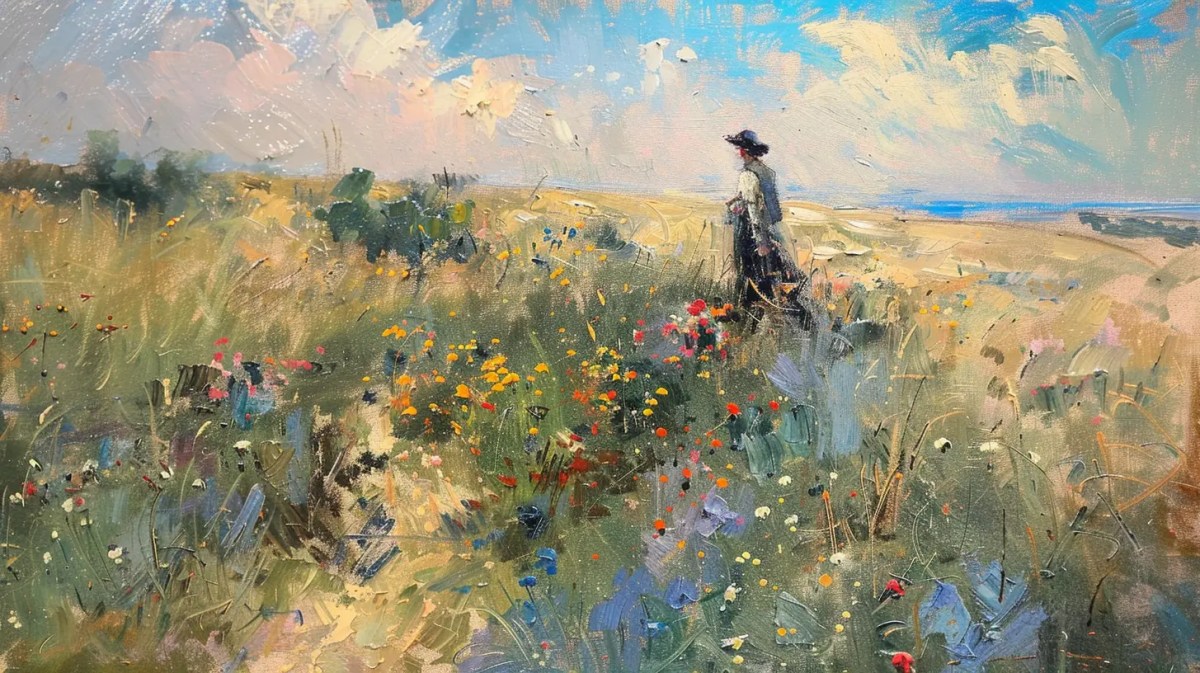
The Evolution of Art in the Age of AI
Oh, how the art world has transformed! It’s like we’ve hitched a ride on a time machine, zipping through centuries of traditional art techniques only to land smack-dab in the middle of the AI revolution. This isn’t just evolution; it’s a full-blown renaissance of pixels and algorithms. The blending of traditional art techniques with modern AI technologies is like mixing your grandma’s secret cookie recipe with a pinch of futuristic spice—unexpected but deliciously exciting.
Back in the day, artists spent years mastering their crafts, from the delicate brushwork of the Renaissance to the bold colour explosions of the Fauvists. Now, imagine having the essence of those years, the soul of those techniques, right at your fingertips, ready to be fused with the limitless potential of AI. That’s where we are today. Generative AI isn’t just mimicking these styles; it’s breathing new life into them, allowing us to bend, twist, and blend them in ways the original masters could only dream of.
Is it out with the old and in with the new?
This isn’t about replacing the old with the new, though. It’s about creating a dialogue between the past and the present, a conversation between traditional craftsmanship and digital innovation. Generative AI is expanding the boundaries of artistic creation, pushing us to explore uncharted territories of our imagination. With AI, we’re not just artists; we’re explorers, navigating a vast sea of creative possibilities where the horizon is constantly shifting.
The magic of AI art lies in its ability to surprise us, to generate works that are as unpredictable as they are breathtaking. It’s like having a collaborative partner who’s part wizard, part machine, always ready to challenge our perceptions of what art can be. This is the evolution of art in the age of AI—where tradition meets technology, and the only limit is our own creativity. So, let’s pick up our digital brushes and see where this journey takes us. After all, in this new age of art, the next masterpiece could be just an algorithm away.
Top 20 Art Styles to Experiment With in Generative Text-to-Image AI
So, here you go, the meat and potatoes of this article. You should try out all these styles as knowledge of how they look and feel will help you help your AI friend recreate exactly whats in your head. Also if you want to know how to construct your prompts, there are plenty of tutorials on this website to help you do so. I have so far mainly concentrated on Midjourney and DALL-e but the foundations can be used for any other text to image AI that you like to use.
- Impressionism: Characterized by small, thin brush strokes and an emphasis on the accurate depiction of light.
- Surrealism: Combines dreamlike scenes with bizarre, illogical elements.
- Art Nouveau: Known for its elegant decorative designs that feature flowing lines and natural forms.
- Cubism: A style that breaks subjects down into geometric shapes.
- Expressionism: Focuses on representing emotional experiences rather than the external world.
- Fauvism: Features wild brush strokes and bold colors.
- Abstract Expressionism: Emphasizes spontaneous, automatic, or subconscious creation.
- Minimalism: Uses simple, geometric forms and a limited color palette.
- Futurism: Captures the dynamic energy of modern technology and urban life.
- Art Deco: Known for its sleek, geometric, and stylized designs, often with a glamorous feel.
- Neo-Impressionism: Utilizes pointillism and divisionism techniques for a more scientific approach to color and light.
- Gothic: Medieval art style featuring intricate details and religious subjects.
- Renaissance: Revival of classical art forms, emphasizing harmony, proportion, and perspective.
- Baroque: Known for its drama, rich colors, and intense light and dark shadows.
- Rococo: Characterized by ornate, decorative elements and playful themes.
- Byzantine: Features iconic religious imagery with a strong use of gold and symmetrical compositions.
- Dada: Embraces absurdity and irrationality as a protest against conventional art and society.
- Constructivism: Focuses on abstraction and the use of industrial materials in sculpture and painting.
- Pop Art: Draws from popular culture and media, emphasizing bold colors and imagery.
- Digital Art: A modern style that utilizes digital technology as part of the creative or presentation process.
How to Choose the Right Art Style for Your AI Art Project
Choosing the right art style for your AI art project is like setting out on a culinary adventure. You’ve got a world of flavors at your fingertips, but the secret to a memorable dish lies in picking just the right ingredients. Similarly, with AI art, selecting the perfect style can turn your creative vision into a visual feast that leaves a lasting impression.
1. Know Your Palette: Understand the Art Styles
First things first, get cosy with the art styles you’re considering. Just like you’d taste different spices before adding them to your dish, explore the nuances of each style. Impressionism, with its soft, light-filled landscapes, offers a different vibe than the bold, vivid strokes of Expressionism. Dive into the history, the techniques, and the emotions each style conveys. This knowledge isn’t just academic; it’s the foundation upon which you’ll build your masterpiece.
2. Match the Mood: Align Style with Emotion
Every art project starts with a spark—an emotion, a message, or a story you want to tell. Ask yourself, what’s the mood you want to evoke? Is it the serene tranquillity of a Monet garden, or the raw, visceral energy of a Basquiat piece? The style you choose should amplify your message, not muddle it. Think of it as selecting the background music for a movie scene; the right choice can elevate the entire experience.
3. Play to Your Strengths (and Curiosities)
While it’s tempting to jump on the bandwagon of the latest trendy style, take a moment to consider your own strengths and interests. Are you drawn to intricate details and patterns? Art Nouveau might be your playground. Or perhaps you have a knack for abstract thought, making Cubism a fitting challenge. Your project will be all the more authentic and engaging when it’s fuelled by genuine passion and curiosity.
4. Consider the AI’s Capabilities
Not all AI platforms are created equal. Some excel at generating dreamy, ethereal landscapes, while others might be champions of surreal, mind-bending compositions. Before you set your heart on a style, experiment with your AI tool of choice to understand its strengths and limitations. It’s a bit like knowing your kitchen equipment—sure, you can probably make a pizza in a toaster, but wouldn’t you rather use an oven?
5. Experiment and Iterate
Finally, don’t be afraid to experiment. The beauty of AI art lies in its ability to surprise and innovate. Mix and match styles, play with settings, and see what happens. Each iteration is a step closer to discovering something uniquely yours. Remember, every great chef tastes and adjusts as they go, and the same principle applies here.
Choosing the right art style for your AI art project is an adventure, a creative challenge that invites you to explore, learn, and grow. Whether you’re seeking to convey deep emotions, tell a captivating story, or simply explore the boundaries of your creativity, the journey begins with that first, decisive stroke of style. So, go ahead, choose your adventure, and let the AI be your canvas, your brush, and, most importantly, your collaborator in creation.
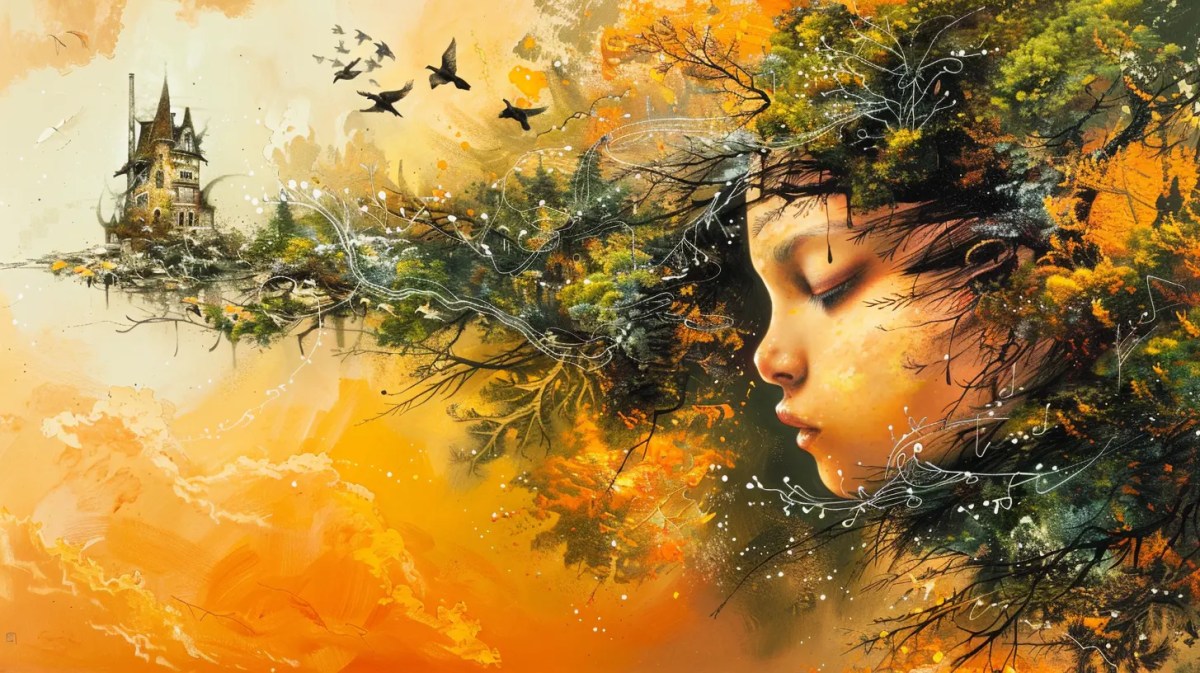
Experimenting with AI: Combining Art Styles
Diving into the world of AI art feels a bit like being a mad scientist in an art studio. You’ve got this incredible technology at your fingertips, ready to morph your wildest imaginations into visual spectacles. But here’s where it gets really fun: combining art styles. It’s like mixing potions from different corners of the world, each with its own history and magic, to create something entirely new and unexpected.
The Artistic Melting Pot
Imagine taking the fluid elegance of Art Nouveau and smashing it together with the raw, emotional intensity of Expressionism. Or what if you could blend the meticulous details of Renaissance art with the vibrant, pop culture-infused energy of Pop Art? The possibilities are as endless as they are exhilarating. This isn’t just about creating art; it’s about creating art that’s never been seen before, art that can only exist in this unique moment in time, thanks to AI.
The Dance of Algorithms and Intuition
Combining art styles with AI is a dance between your intuition as an artist and the algorithm’s computational prowess. You start with an idea, a vision of what could be, and then you nudge the AI, guiding it with your inputs, your choices of styles, themes, and elements to combine. The AI responds, sometimes in ways you expect, often in ways you couldn’t have predicted. And that’s where the magic lies—in the surprises, in the unexpected twists that emerge when two (or more) art styles collide in the digital cauldron of generative AI.
The Creative Process: An Iterative Adventure
This process is inherently iterative. You might start with a clear vision, but as you experiment, as you see the outcomes of blending different styles, new ideas will spark. Each result is a stepping stone, leading you to refine your approach, tweak your inputs, and perhaps even venture into new stylistic territories you hadn’t considered initially. It’s a creative adventure, one where the path isn’t linear, but rather a rich tapestry of trials, errors, and happy accidents.
Embracing the Unpredictable
One of the most thrilling aspects of combining art styles through AI is embracing the unpredictable nature of the results. You might have an idea of what Impressionism mixed with Cubism could look like, but the AI might throw in a curveball, blending the styles in a way that’s both alien and mesmerising. This unpredictability isn’t a bug; it’s a feature. It’s what makes the process so captivating, pushing you to think outside the conventional bounds of artistic creation.
The Future of Artistic Expression
Experimenting with combining art styles in AI doesn’t just expand your own creative horizons; it contributes to the evolution of artistic expression itself. As artists around the world continue to play with these digital tools, mixing and matching styles from different eras and movements, we’re collectively charting new territories in the vast ocean of art. We’re not just creating new works; we’re expanding the very language of art.
So, to my fellow digital artists, I say: dive into the experiment. Mix those styles. Play with your AI tools. Let’s see what new wonders we can create, together, at the intersection of technology and timeless human creativity. After all, in this new age of artistic exploration, the only rule is that there are no rules.
Conclusion
As we’ve journeyed together through the vibrant landscape of AI art, exploring the vast potential of different art styles and the thrilling possibilities of combining them, it’s clear that we’re standing on the cusp of a new era in artistic expression. Generative text-to-image AI isn’t just a tool; it’s a collaborator, a muse, and a gateway to realms of creativity that were once unimaginable.
Embrace the New Renaissance
This journey into the heart of AI-driven art is more than just an exploration of technology; it’s a renaissance of creativity, where the boundaries between the past and the future, the traditional and the avant-garde, blur into a beautiful, chaotic dance of pixels and imagination. As artists, creators, or simply curious minds, we’re not just witnesses to this transformation; we’re active participants, shaping the trajectory of art itself.
The Canvas Awaits
Now, I extend an invitation to you: pick up your digital brush, choose your palette of styles, and dive into the boundless sea of AI art. Whether you’re drawing from the rich traditions of Impressionism, the bold strokes of Expressionism, or the surreal landscapes of digital art, remember that every creation is a step into the unknown, a leap into the possibilities that generative AI offers.
Your Call to Action
- Experiment Boldly: Let curiosity be your guide. Mix styles, play with contrasts, and see where the AI takes you.
- Share Your Journey: The path of creativity is richer when shared. Post your AI art creations, tag them with #AIArtRenaissance, and become part of a global community of digital explorers.
- Keep Learning: The world of AI art is ever-evolving. Stay curious, keep experimenting, and watch as your art transforms along with the technology.
In closing, the dawn of AI-generated art is not just a testament to human ingenuity but a reminder of our boundless capacity for creativity. As we continue to explore, experiment, and express ourselves through this new medium, we’re not just creating art; we’re redefining what it means to be an artist in the digital age.
So, let the adventure begin. The canvas is vast, the palette is endless, and your next masterpiece is just a thought away. Let’s create, share, and inspire each other in this new era of art. The future is bright, and it’s ours to paint.