
Bonjour, fellow design enthusiasts! I’m thrilled to dive into the exciting world of packaging design with Midjourney, a text-to-image generative AI that’s been making waves in the creative community. As an AI art enthusiast, I’ve spent countless hours exploring the endless possibilities that Midjourney offers. Today, I’m here to share some insider tips on how to construct the best prompts to create packaging designs that will not only inspire but also leave a lasting impression.
Whether you’re a seasoned designer or just getting started, crafting the perfect prompt is key to unlocking Midjourney’s full potential. Think of it as giving the AI a creative brief—it needs to be clear, specific, and packed with all the right details.
In this article, we’ll explore the best keywords to include, the names of influential designers to reference, and even some example prompts to get your creative juices flowing. So, grab your favorite beverage, settle in, and let’s embark on this fun and creative journey together!

Section 1: Understanding Midjourney
Let’s jump right into the heart of the matter: crafting the perfect prompt for packaging design.
When it comes to using Midjourney for creating stunning packaging, the magic lies in how you articulate your vision.
A well-constructed prompt can make all the difference between an ordinary design and something truly exceptional. So, what makes a prompt effective, and how can you harness its power to bring your packaging ideas to life?
The Anatomy of a Great Prompt
First things first, let’s break down the key components of a great prompt:
- Clarity: Be clear about what you want. Vague instructions lead to vague results. If you want a sleek, modern design, say so!
- Specificity: The more specific you are, the better. Mention materials, colors, and any particular design elements you have in mind. For example, “a matte black box with gold foil lettering” is much more precise than “a stylish box.”
- Creativity: Don’t be afraid to get creative with your prompts. Use vivid descriptions and imaginative language to convey the look and feel you’re aiming for.
Key Components of Effective Prompts
- Visual Descriptors: These words paint a picture of the overall aesthetic. Think about terms like modern, minimalist, vintage, luxurious, vibrant, or organic. Each of these words sets a different tone and helps guide Midjourney’s creative process.
- Materials and Textures: Packaging isn’t just about visuals; it’s also about touch and feel. Including terms like matte, glossy, kraft paper, metallic, or embossing can add a tactile dimension to your designs.
- Color Palettes: Colors play a crucial role in design. Specify palettes like pastel, monochrome, gradient, or earthy tones to steer the AI towards the right mood and brand identity.
- Design Elements: Mentioning specific design elements can further refine the output. Think about typography, patterns, illustrations, or geometric shapes that you want to feature prominently in the design.
The Role of Context
Context is king when it comes to prompts. Providing background information about the brand, target audience, or the product itself can significantly enhance the relevance and appeal of the design.
For instance, a prompt like “Create a packaging design for a luxury skincare brand targeting professional women aged 30-50, inspired by modern minimalist aesthetics” gives Midjourney a clear direction and purpose.
Iterative Refinement
One of the fantastic things about using Midjourney is the ability to refine and iterate. Don’t be discouraged if the first attempt isn’t perfect. Use the results to tweak and improve your prompts. Maybe the colors need adjusting, or the design elements need a bit more emphasis. The key is to keep experimenting and refining until you achieve the perfect packaging design.
By understanding the core principles of crafting effective prompts, you can unlock the full potential of Midjourney and create packaging designs that truly inspire. Ready to dive deeper? In the next section, we’ll explore the best keywords to include in your prompts to make them even more impactful. Let’s keep this creative journey rolling!
Section 2: Crafting the Perfect Prompt
Alright, now that we understand the importance of a well-crafted prompt, let’s get down to the nitty-gritty of how to create one. This section will guide you through the essential elements of a perfect prompt for packaging design, ensuring your vision comes to life with Midjourney’s AI magic.
Key Components of a Perfect Prompt
1. Clarity
The first rule of prompt crafting is clarity. You need to be crystal clear about what you want. Ambiguous instructions can lead to unpredictable results, so make sure your prompt leaves no room for confusion. For example, instead of saying “make a nice box,” go for something like “create a sleek, modern box with clean lines and minimal text.”
2. Specificity
Specificity is your best friend when it comes to prompts. The more details you provide, the better Midjourney can understand and execute your vision. Think about the following specifics:
- Materials: Specify if you want the packaging to be made of matte cardboard, glossy plastic, kraft paper, etc.
- Textures: Do you want a smooth, embossed, or textured finish?
- Colors: What colors should dominate the design? Mention specific shades or color palettes.
- Elements: Include details like logos, patterns, illustrations, and typography.
- Example: “Design a vibrant juice box using eco-friendly kraft paper with a matte finish, featuring colorful fruit illustrations and bold, playful typography.”
3. Creativity
Don’t shy away from letting your creative juices flow. Use imaginative language and vivid descriptions to convey the mood and style you’re aiming for.
Words like “luxurious,” “vintage,” “playful,” or “sophisticated” can set the tone and inspire more dynamic results.
Example: “Create an elegant and luxurious perfume box in deep royal blue with gold foil accents, inspired by Art Deco patterns and featuring intricate geometric designs.”
Using Keywords Effectively
Keywords are the backbone of your prompt. Here’s a list of impactful keywords you can incorporate into your packaging design prompts:
- Visual Descriptors: modern, minimalist, vintage, luxurious, vibrant, organic
- Materials and Textures: matte, glossy, kraft paper, metallic, embossing, textured
- Color Palettes: pastel, monochrome, gradient, earthy tones, vibrant hues
- Design Elements: typography, patterns, illustrations, geometric shapes, logos
These keywords help narrow down the AI’s focus and guide it toward generating designs that match your vision.
Referencing Influential Designers
Name-dropping influential designers in your prompts can significantly shape the style and quality of the output. Here’s a list of renowned designers to consider:
- Historic Designers: Paul Rand, Saul Bass, Milton Glaser
- Modern Designers: Stefan Sagmeister, Paula Scher, Jessica Walsh
- Packaging Design Specialists: Louise Fili, Peter Saville, Debbie Millman
- Example: “Design a modern cereal box inspired by the playful, bold styles of Jessica Walsh, featuring vibrant colors and whimsical illustrations.”
Example Prompts
Here are a few example prompts to spark your creativity:
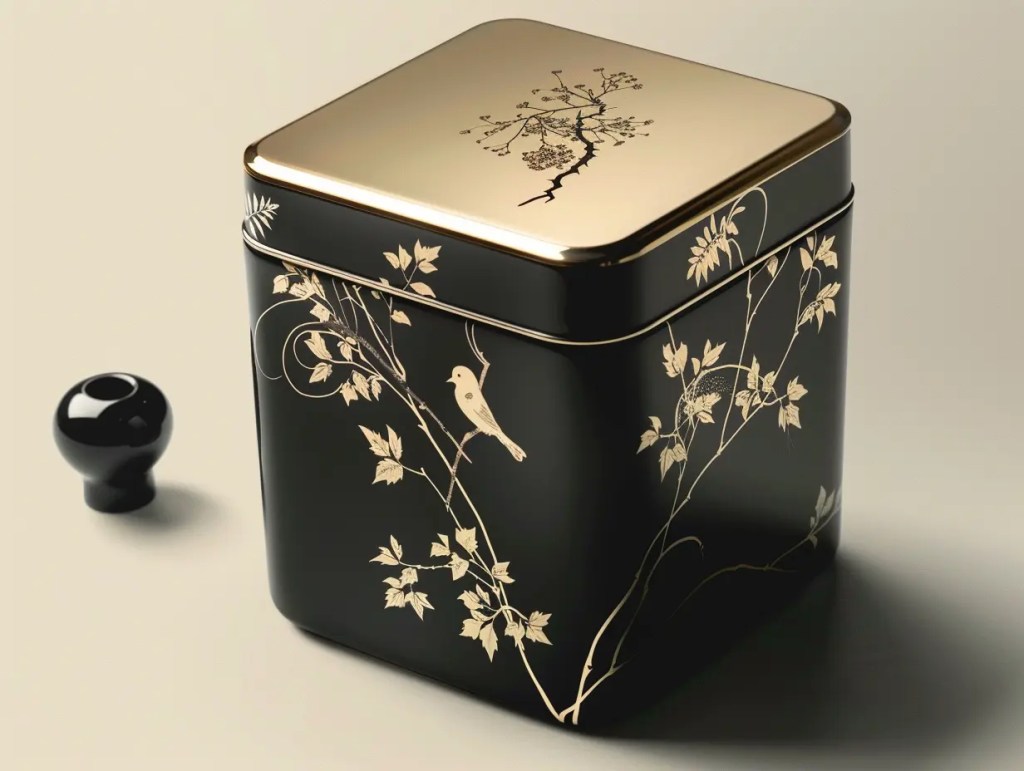
” a minimalist tea tin design inspired by Japanese aesthetics, using a monochrome color palette and delicate line art illustrations.”
“an eco-friendly skincare packaging with earthy tones and natural textures, influenced by the organic designs of Louise Fili.”
” a vintage-style chocolate bar wrapper with rich, dark colors and ornate patterns, reminiscent of Saul Bass’s iconic designs.”
Tips and Tricks for Optimal Results
- Iterative Refinement: Don’t expect perfection on the first try. Use the results to refine and improve your prompts.
- Experimentation: Don’t be afraid to try different styles, elements, and descriptors. The more you experiment, the more you learn about what works best.
- Feedback and Adjustment: Review the generated designs critically, make adjustments to your prompts, and keep iterating until you achieve the desired outcome.
Crafting the perfect prompt is both an art and a science. By following these guidelines and tips, you’ll be well on your way to creating packaging designs with Midjourney that are not only stunning but also perfectly aligned with your creative vision.
Ready to dive deeper? In the next section, we’ll explore the best keywords to include in your prompts to make them even more impactful. Let’s keep this creative journey rolling!
Section 3: Best Keywords for Packaging Design Prompts
Now that we’ve covered the fundamentals of crafting effective prompts, let’s step into the power of keywords. Keywords are the essential building blocks that guide Midjourney’s AI to create designs that align with your vision. The right keywords can transform a vague idea into a precise, inspiring packaging design. Here, we’ll explore the best keywords to use in your prompts for packaging design.
Visual Descriptors
Visual descriptors set the overall tone and style of your packaging design. They help the AI understand the aesthetic direction you want to pursue. Here are some impactful visual descriptors:
- Modern: Sleek, clean lines, contemporary feel.
- Minimalist: Simple, uncluttered, focus on essentials.
- Vintage: Retro, nostalgic, classic elements.
- Luxurious: High-end, elegant, sophisticated.
- Vibrant: Bright, energetic, lively colors.
- Organic: Natural, earthy, eco-friendly.
Example Prompt: “a modern and minimalist perfume bottle with sleek lines and a monochrome color palette.
Materials and Textures
Specifying materials and textures adds a tactile dimension to your design, making it more realistic and tangible. Here are some key terms to consider:
- Matte: Non-glossy, flat finish.
- Glossy: Shiny, reflective surface.
- Kraft Paper: Recycled, rustic look.
- Metallic: Shimmering, reflective, often in gold or silver.
- Embossing: Raised texture, adds depth.
- Textured: Surface with a distinct feel, such as linen or wood grain.
Example Prompt: “Create a luxurious chocolate box with a matte black finish and gold foil embossing.
Color Palettes
Colors play a crucial role in packaging design, influencing mood and brand perception. Here are some popular color palette keywords:
- Pastel: Soft, muted colors.
- Monochrome: Single color in various shades.
- Gradient: Smooth transition between colors.
- Earthy Tones: Natural, muted colors like greens and browns.
- Vibrant Hues: Bright, bold colors.
Example Prompt: “Design an eco-friendly skincare packaging using earthy tones and a textured kraft paper material.”
Design Elements
Design elements are the specific features that give your packaging its unique character. Including these in your prompts can guide the AI to focus on particular aspects:
- Typography: Style of text, such as serif, sans-serif, handwritten.
- Patterns: Repeated decorative designs, like stripes, dots, florals.
- Illustrations: Hand-drawn or digital artwork.
- Geometric Shapes: Use of circles, squares, triangles, etc.
- Logos: Brand identification marks.
Example Prompt: “Create a playful cereal box featuring bold typography, vibrant illustrations, and geometric shapes inspired by mid-century modern design.”
Combining Keywords for Maximum Impact
Combining multiple keywords can help you craft a more comprehensive and precise prompt. Here’s how to mix and match different keywords to get the best results:
Example Prompt: “Design a vintage-style coffee tin using a pastel color palette, featuring intricate floral patterns and serif typography, with a matte finish.”
Tips for Using Keywords Effectively
- Be Specific: The more detailed your keywords, the more accurately the AI can create your desired design.
- Use Combinations: Don’t hesitate to combine multiple keywords to convey a richer, more nuanced vision.
- Iterate and Refine: Experiment with different keywords and refine your prompts based on the generated designs.
By incorporating these best keywords into your prompts, you’ll be able to guide Midjourney to create packaging designs that are visually stunning, on-brand, and inspiring.
In the next section, we’ll suggest some more example prompts to inspire you. Let’s continue this creative journey together!
Section 4: Example Prompts for Packaging Design
To help you get started, here are some more example prompts for packaging design that incorporate best practices, impactful keywords, and references to influential designers. Use these as inspiration to create your own unique and compelling prompts.
Example 1: Luxury Skincare Packaging
Prompt: “a minimalist packaging design for a luxury skincare brand, inspired by the works of Paula Scher. Use a monochrome color palette with matte textures and subtle gold foil accents.”
Explanation: This prompt is clear and specific, mentioning the desired aesthetic (minimalist), the design influence (Paula Scher), and key design elements (monochrome palette, matte textures, gold foil accents).
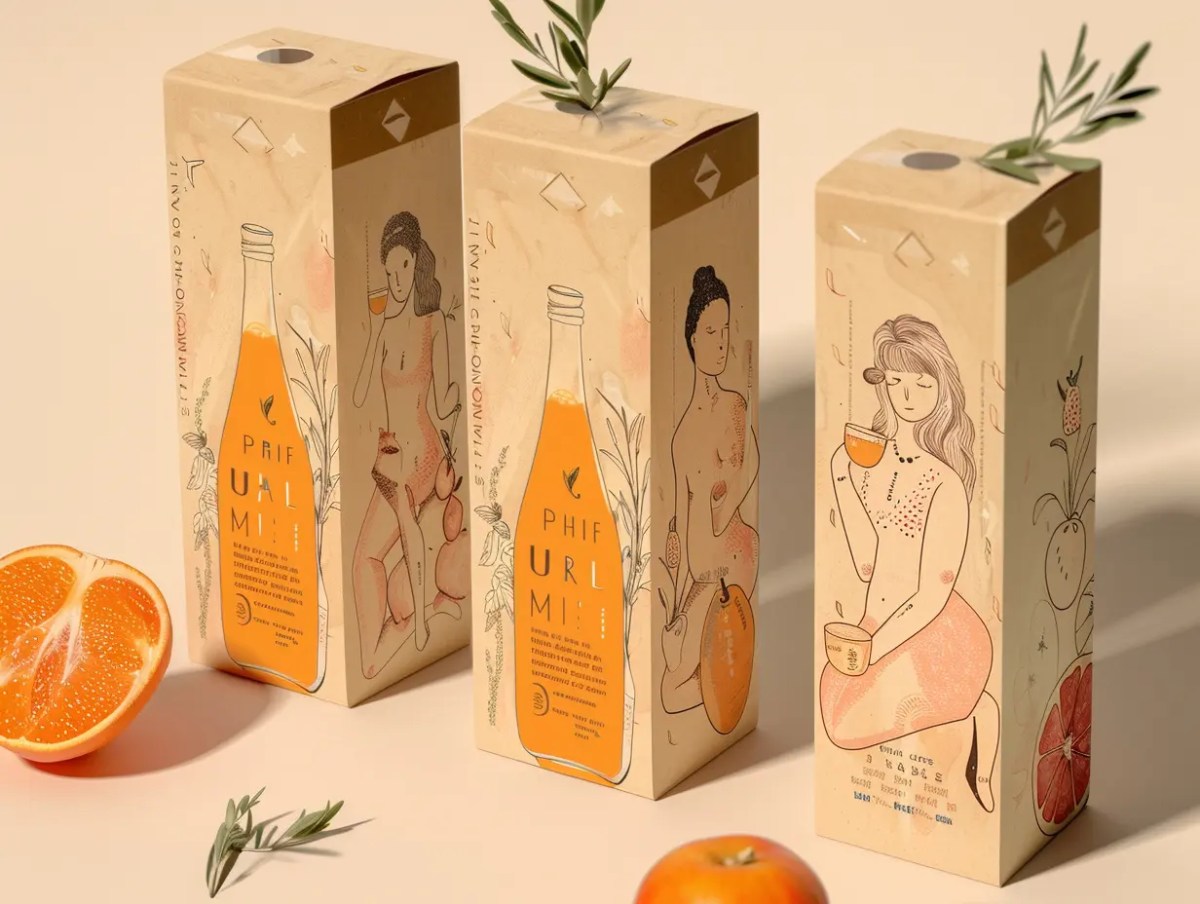
Example 2: Eco-Friendly Juice Box
Prompt: “an eco-friendly juice box packaging with vibrant fruit illustrations and earthy tones. Incorporate kraft paper material and playful typography inspired by Jessica Walsh.”
Explanation: Here, the prompt specifies the material (kraft paper), the color scheme (earthy tones), and the design style (vibrant, playful), along with a designer reference (Jessica Walsh) to guide the creative direction.
Example 3: Vintage Chocolate Bar Wrapper
Prompt: “a vintage-style chocolate bar wrapper with rich, dark colors and ornate patterns, reminiscent of Saul Bass’s iconic designs. Use a glossy finish and include serif typography.”
Explanation: This prompt provides a clear visual direction (vintage style, dark colors, ornate patterns), references a specific designer (Saul Bass), and details the finish and typography (glossy finish, serif typography).
Example 4: Modern Tea Tin
Prompt: “a modern tea tin design inspired by Japanese aesthetics, using a minimalist approach with a monochrome color palette and delicate line art illustrations.”
Explanation: The prompt focuses on a specific aesthetic (Japanese), design approach (minimalist), and visual elements (monochrome palette, line art illustrations), ensuring a cohesive and targeted output.
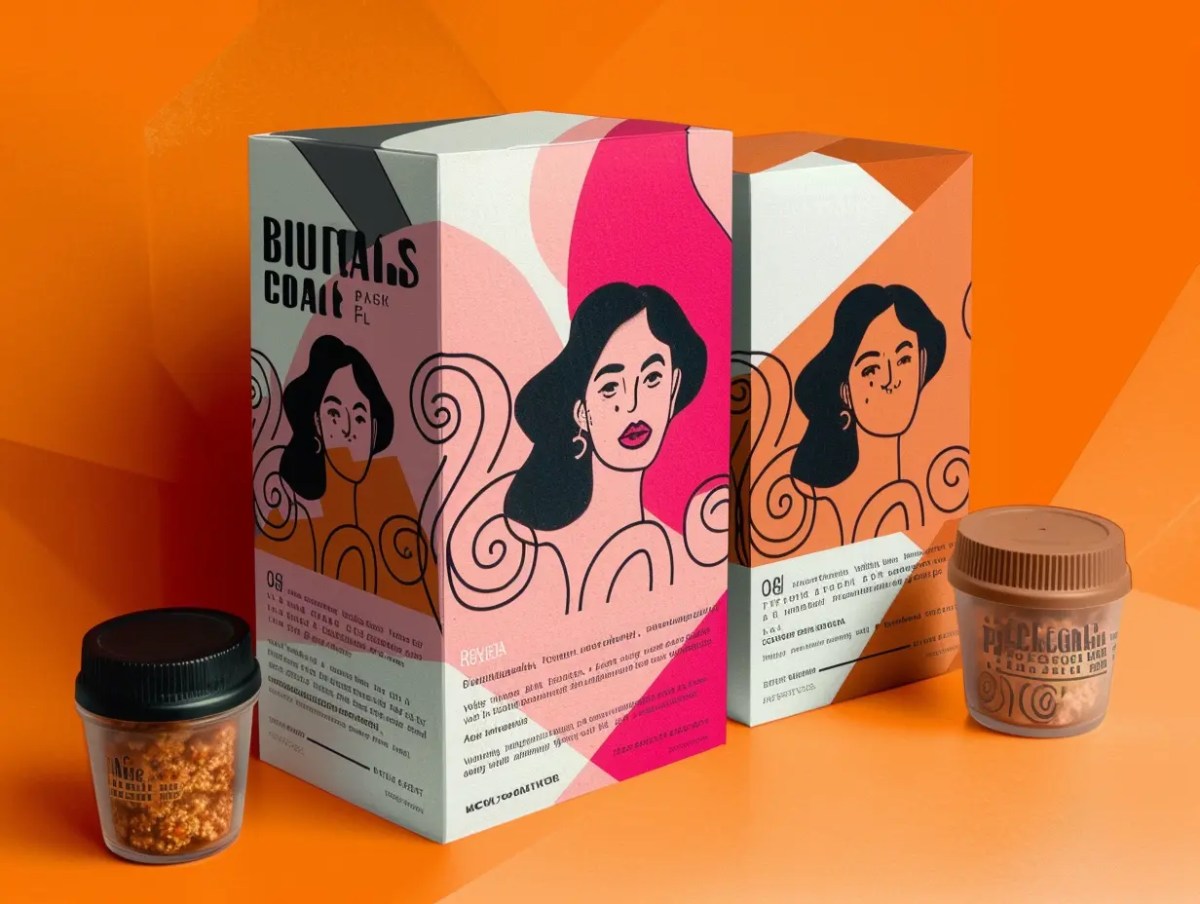
Example 5: Playful Cereal Box
Prompt: “a playful cereal box featuring bold typography, vibrant illustrations, and geometric shapes inspired by mid-century modern design. Use a pastel color palette and a matte finish.”
Explanation: This prompt combines various design elements (bold typography, vibrant illustrations, geometric shapes) with a specific style reference (mid-century modern) and details about color and finish (pastel palette, matte finish).
Example 6: Elegant Perfume Bottle
Prompt: “Create an elegant and luxurious perfume bottle design in deep royal blue with gold foil accents, inspired by Art Deco patterns. Incorporate intricate geometric designs and a glossy finish.”
Explanation: This prompt specifies the desired style (elegant and luxurious), color scheme (deep royal blue, gold foil), design influence (Art Deco), and finish (glossy), providing a comprehensive vision for the AI.
Example 7: Organic Skincare Line
Prompt: “an organic skincare line packaging using earthy tones and natural textures. Incorporate minimalist typography and botanical illustrations inspired by Louise Fili’s style.”
Explanation: The prompt emphasizes the brand identity (organic, earthy tones, natural textures), design elements (minimalist typography, botanical illustrations), and designer influence (Louise Fili), ensuring a harmonious design.
Example 8: Artisan Coffee Bag
Prompt: “a packaging design for an artisan coffee bag with a vintage feel, using kraft paper material, hand-drawn illustrations, and serif typography. Include a muted color palette with accents of deep red.”
Explanation: This prompt is detailed and specific, highlighting the desired style (vintage), material (kraft paper), visual elements (hand-drawn illustrations, serif typography), and color scheme (muted palette, deep red accents).
Example 9: Gourmet Snack Packaging
Prompt: “a gourmet snack packaging design with a luxurious and modern look. Use a sleek black and gold color palette, geometric patterns, and sans-serif typography inspired by Stefan Sagmeister.”
Explanation: The prompt combines various design elements (sleek black and gold palette, geometric patterns, sans-serif typography) with a reference to a specific designer (Stefan Sagmeister) to guide the AI.
Example 10: Children’s Book Box
Prompt: “a whimsical and vibrant packaging for a children’s book box set. Use playful illustrations, bright colors, and bold typography. Include elements of fantasy and adventure, inspired by the works of Jessica Walsh.”
Explanation: This prompt provides a clear theme (whimsical and vibrant, fantasy and adventure), design elements (playful illustrations, bright colors, bold typography), and a designer reference (Jessica Walsh) to shape the creative output.
By using these example prompts as templates, you can create your own customized prompts to guide Midjourney in generating packaging designs that are both unique and aligned with your vision. Happy designing!
Conclusion
Crafting the perfect prompt for packaging design with Midjourney is both an exciting and rewarding process. By focusing on clarity, specificity, and creativity, you can guide this powerful AI to produce designs that not only meet but exceed your expectations. Remember, the key lies in the details: using impactful keywords, referencing influential designers, and iterating until you achieve the desired result.
From luxurious skincare packaging to playful cereal boxes, the possibilities are endless. Whether you’re a seasoned designer or just starting out, these tips and examples will help you unlock the full potential of Midjourney. So, go ahead and experiment with different styles, materials, and elements. Let your imagination run wild, and don’t be afraid to refine your prompts as you go along.
I hope this guide has inspired you to dive into the world of AI-generated packaging design with confidence. Now, it’s your turn to create and share your unique designs. I can’t wait to see what amazing packaging ideas you come up with using Midjourney!
Happy designing, and remember to keep exploring and innovating! If you have any questions or want to share your creations, feel free to drop a comment below or connect with me on social media.