As a digital artist and enthusiast in the ever-evolving realm of AI-generated art, I’ve found myself increasingly fascinated by the capabilities of text-to-image generative AIs, particularly using the tool Midjourney. This incredible platform has opened up new avenues for creativity, allowing artists and hobbyists alike to transform textual descriptions into stunning visual masterpieces. My journey with Midjourney has been one of exploration and learning, and through this process, I’ve honed a formulaic approach that consistently yields impressive results, especially when it comes to creating pencil sketch images.
In this article, I want to share the tips, tricks, and techniques that have worked wonders for me. Whether you’re a seasoned artist or just starting, these insights will help you command Midjourney to bring your imaginative sketches to life. From crafting detailed prompts to understanding the nuances of pencil sketch art, I’ll guide you through my personal approach, which has consistently led to visually captivating and artistically profound outputs.
Discovering the art of precision in prompts
The key to unlocking Midjourney’s full potential, I’ve found, lies in the art of crafting your prompts. It’s not just about what you want to see; it’s about how you communicate it. Precision in language and a deep understanding of your desired outcome are essential. Here, I’ll look at the nuances of creating specific, detailed prompts that speak directly to Midjourney’s algorithms, ensuring your vision is not just understood but vividly brought to life.
A Step-by-Step guide to pencil sketch mastery
I’ll walk you through a formulaic approach that I’ve developed, which balances the fine line between detail and creativity. This method involves a structured way of describing your scene, subject, and the specific pencil sketch style you envision. It’s about guiding the AI, almost like a collaborative dance between your imagination and Midjourney’s computational prowess.
Unlocking creativity: Eight real-world examples
To give you a taste of what’s possible and inspire your own creations, I’ll share eight specific prompts that I’ve used with great success. These examples range from capturing the essence of urban landscapes to the delicate interaction between nature and humanity. Each example serves as a blueprint, demonstrating how a well-crafted prompt can lead to strikingly beautiful pencil sketches.
So, let’s embark on this artistic journey together. By the end of this article, you’ll be equipped with the knowledge and skills to use Midjourney to its fullest potential, turning simple words into exquisite pencil sketch art that resonates with depth, emotion, and realism.
Tips for writing effective prompts
- Be specific: Clearly describe the subject of the sketch, including details like appearance, pose, and setting. Specificity helps the AI understand exactly what you want.
- Mention the pencil sketch style: Explicitly state that you want the image to be a pencil sketch. This helps the AI choose the right artistic style.
- Include details of composition: If you have a preference for the composition (like close-up, landscape, portrait), include this in your prompt.
- Consider light and shadow: Mention if you want particular lighting effects or contrast levels, as these are important in pencil sketches.
- Indicate texture and detail level: Describe if you prefer a rough, sketchy style or a finely detailed drawing.
- Contextual elements: If the sketch should include background elements or specific items, describe them.
Formulaic approach to Midjourney pencil sketch prompts
- Introduction: Start with a brief introduction that specifies the type of image (“Create a pencil sketch of…”).
- Subject description: Describe the main subject in detail, including physical features, expressions, and attire.
- Setting and background: Add details about the background or setting if it’s relevant to the image.
- Artistic style: Reiterate that the style should be a pencil sketch and add any specific artistic preferences (e.g., light, shadow, detail level).
- Additional elements: If there are other elements (like objects or secondary characters), describe them last.
Example prompt:
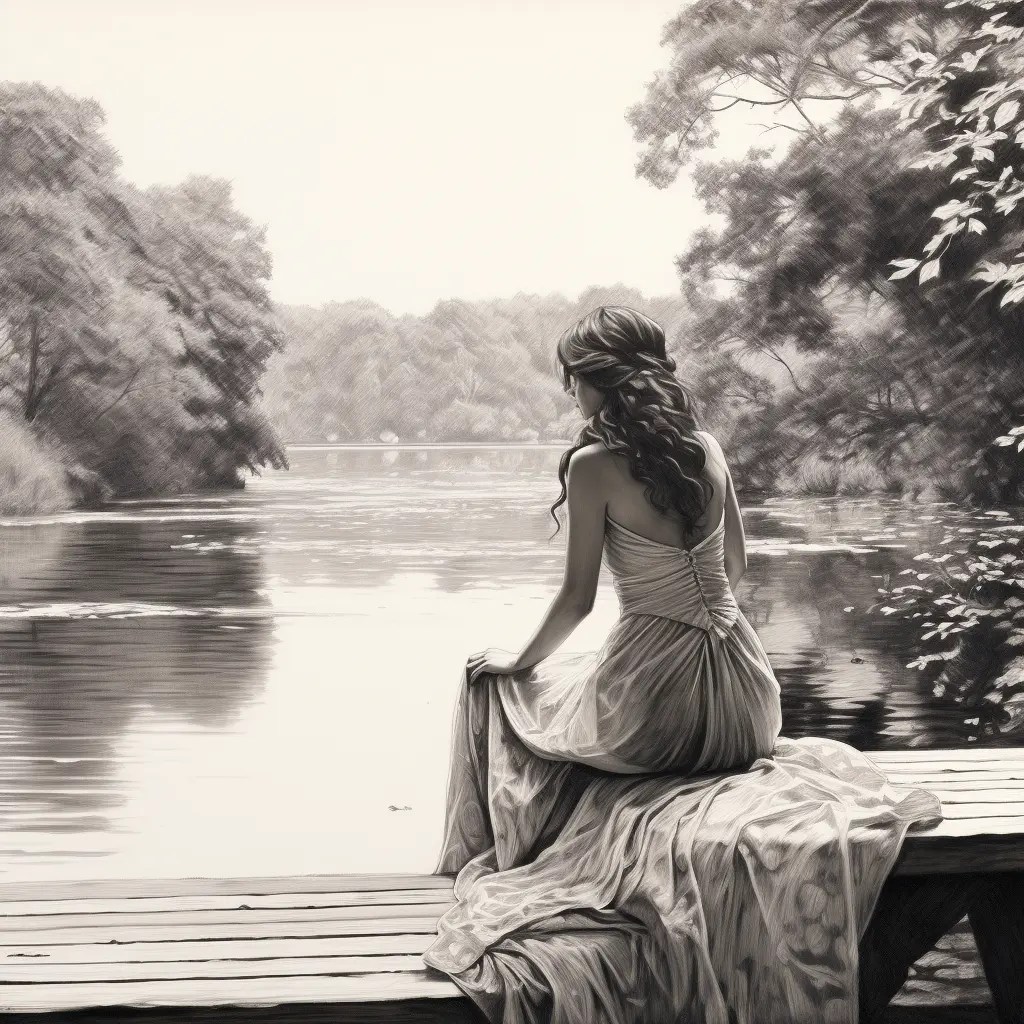
/imagine: a pencil sketch of a serene lakeside scene. In the foreground, a woman sits quietly on a wooden dock, gazing at the water. She has long, flowing hair and is wearing a casual summer dress. The lake is calm, reflecting the surrounding trees. Light and shadows are softly rendered, highlighting the peaceful mood of the scene
By following these guidelines, your prompts will be more likely to result in high-quality pencil sketch images from Midjourney.
More example prompts
Urban landscape:
/imagine: a detailed pencil sketch of a bustling city street. Include diverse pedestrians, towering skyscrapers, and busy traffic. Emphasise the dynamic energy of the city with sharp contrasts in light and shadow, and intricate details on the buildings and vehicles

Wildlife portrait:
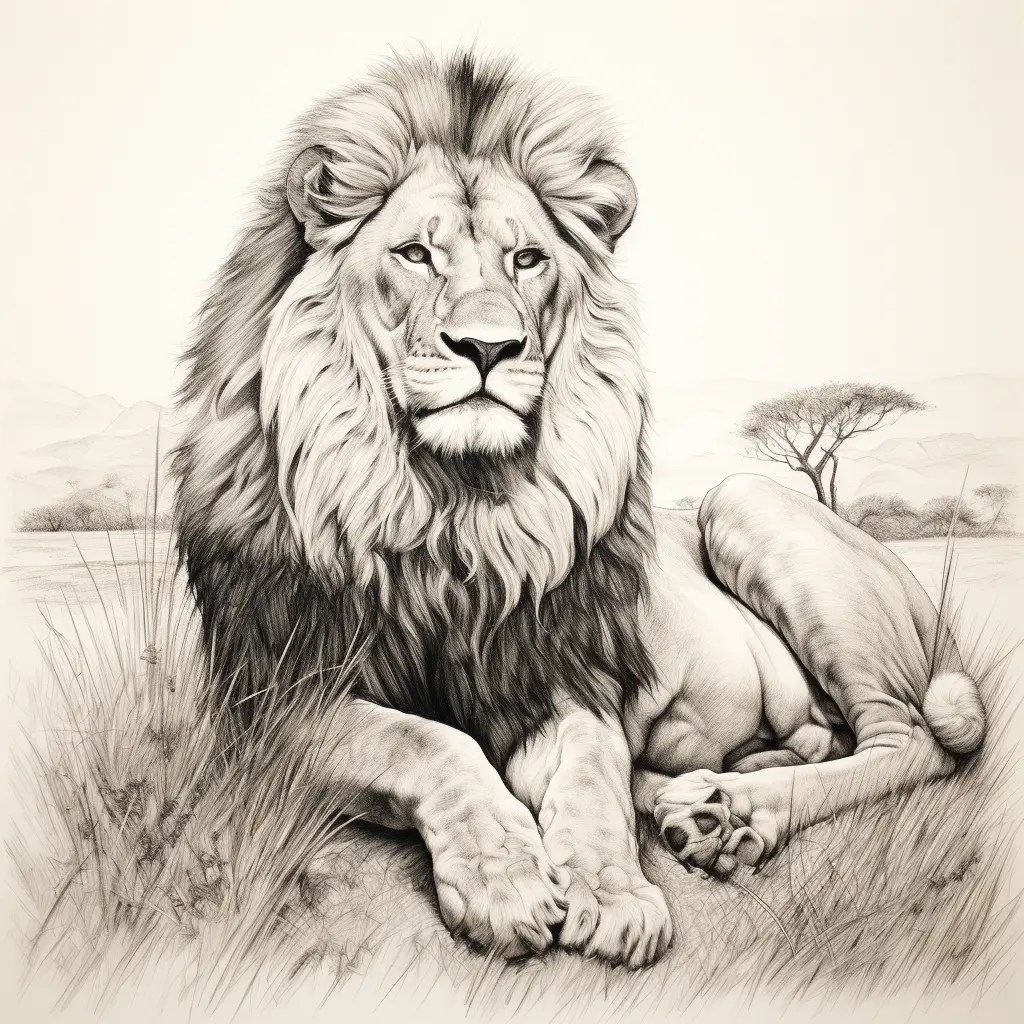
/imagine: a pencil sketch of a majestic lion resting in the savanna. Focus on the lion’s mane, showing its texture in fine detail. The background should be a simple sketch of grasslands and a distant horizon, ensuring the lion remains the central focus
Historical figure:
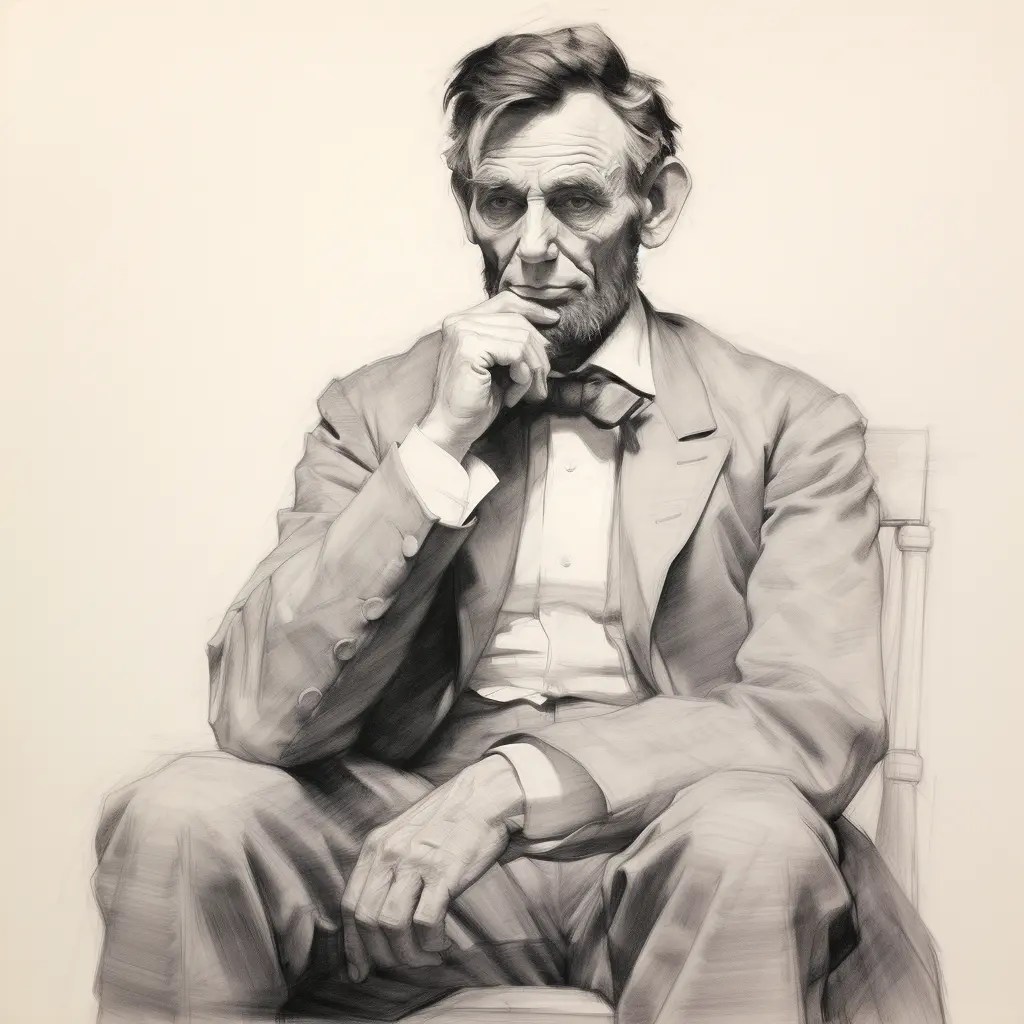
/imagine: a pencil sketch of a historical figure, like Abraham Lincoln, in a contemplative pose. The sketch should capture fine facial details, especially his expression and iconic beard. The background should be minimal, perhaps just hinting at an office setting
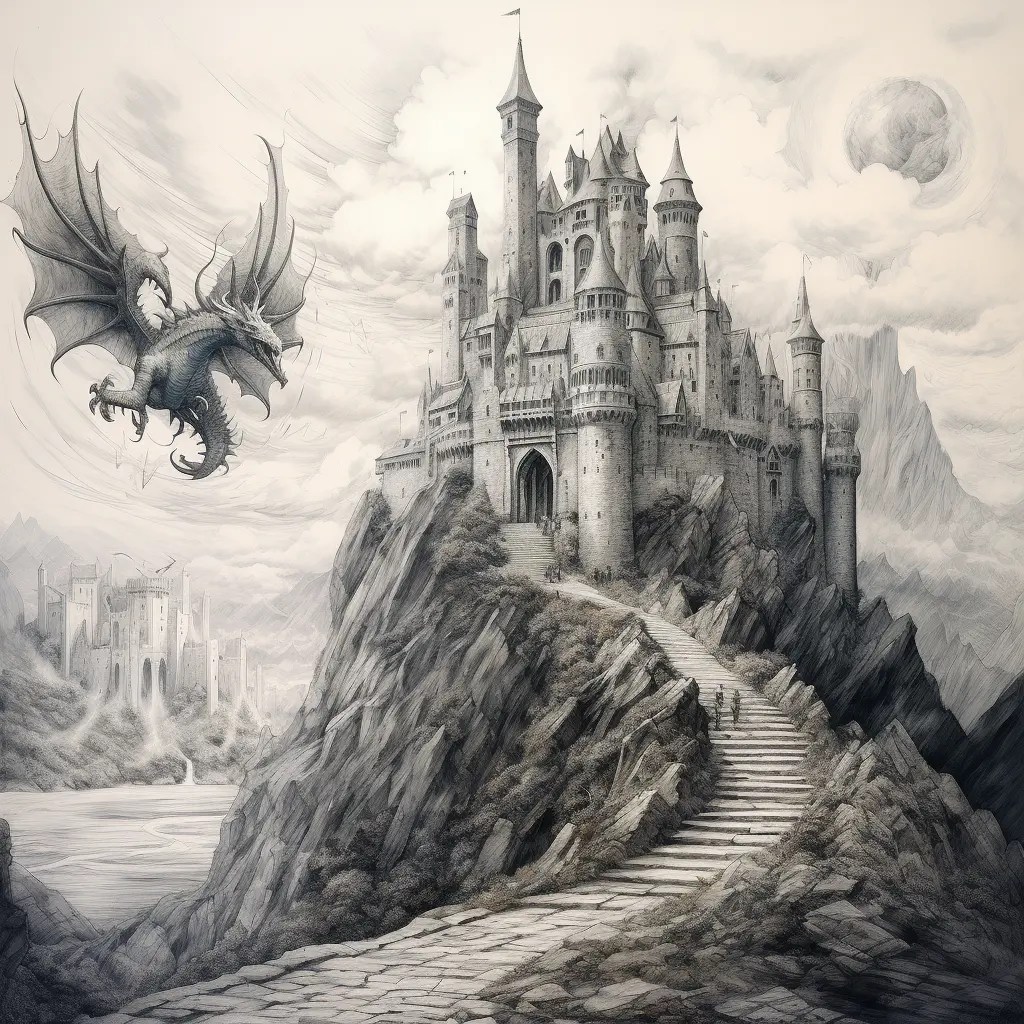
Fantasy scene:
/imagine: a fantasy landscape in pencil sketch style, featuring a towering castle on a hill, a dragon circling above, and a knight in the foreground. Emphasise the rough texture of the castle walls and the scales of the dragon. The scene should convey a sense of adventure and mystery
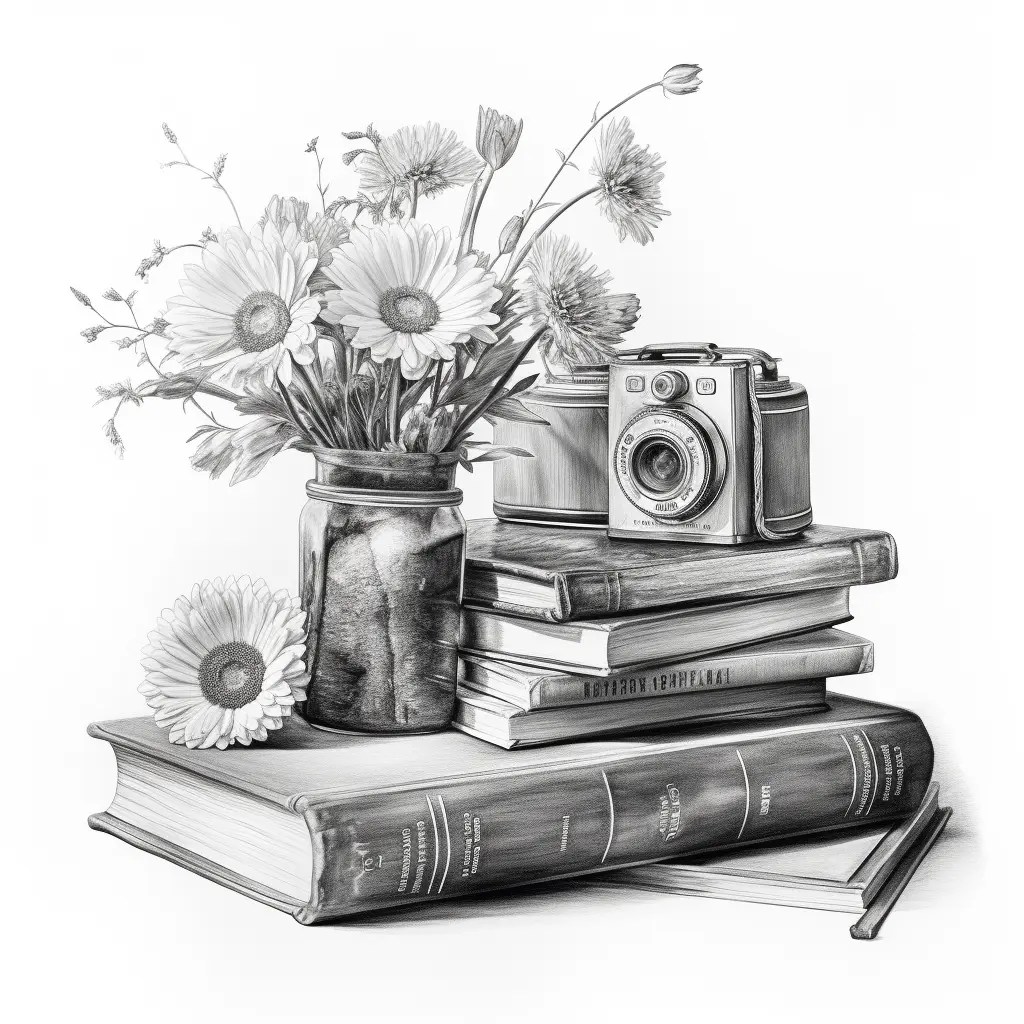
Still life composition:
/imagine: a pencil sketch of a still life arrangement with a vintage camera, a stack of old books, and a vase of wildflowers. Focus on the textures – the grain of the wood, the pages of the books, and the delicate petals of the flowers. Use light and shadow to give depth to the objects
Musical theme:
/imagine: a pencil sketch of a violinist in the midst of a performance. Capture the movement and emotion in the musician’s posture and expression. The violin and hands should be detailed, with soft background sketches of the audience in shadow, focusing attention on the performer

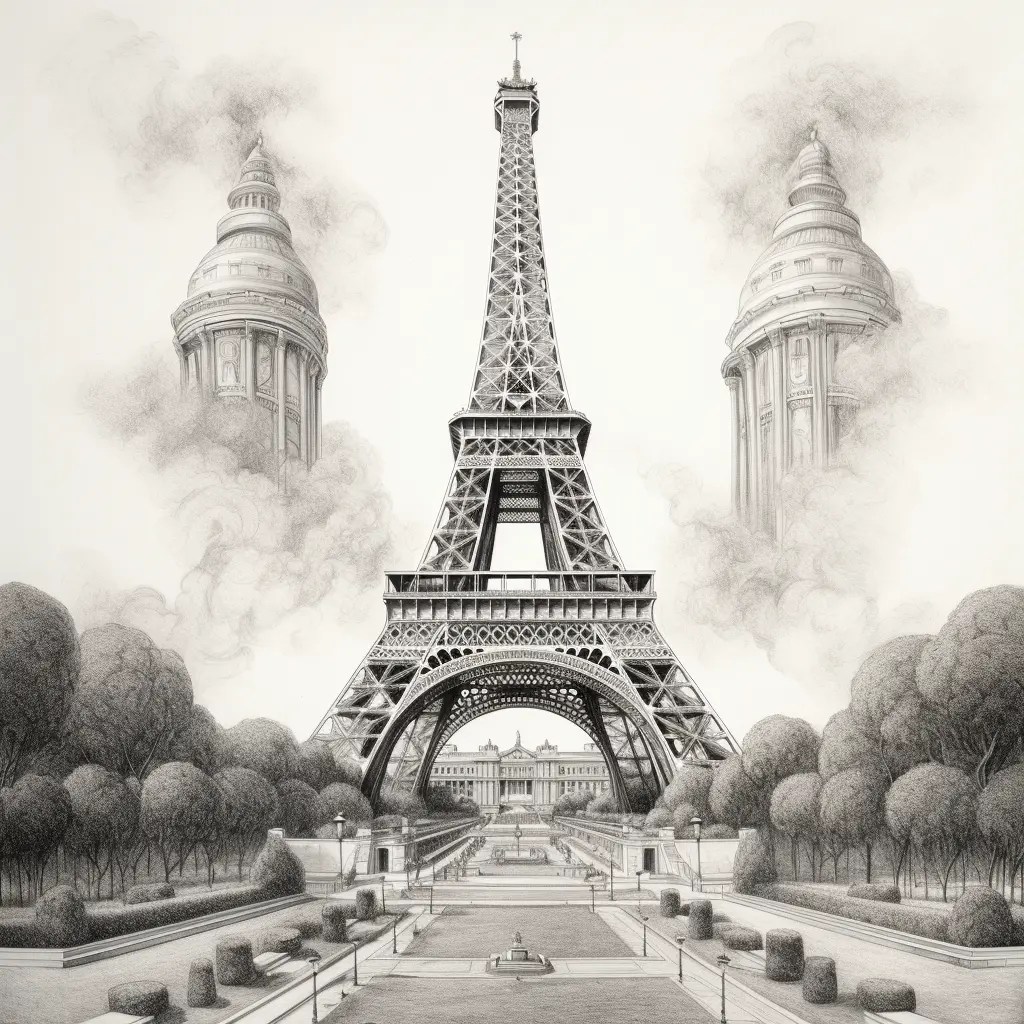
Architectural wonder:
/imagine: an intricate pencil sketch of a famous architectural landmark, like the Eiffel Tower or the Taj Mahal. Show the structure in fine detail with an emphasis on its unique architectural features. The surrounding landscape should be lightly sketched to keep the focus on the building
Nature and wildlife interaction:
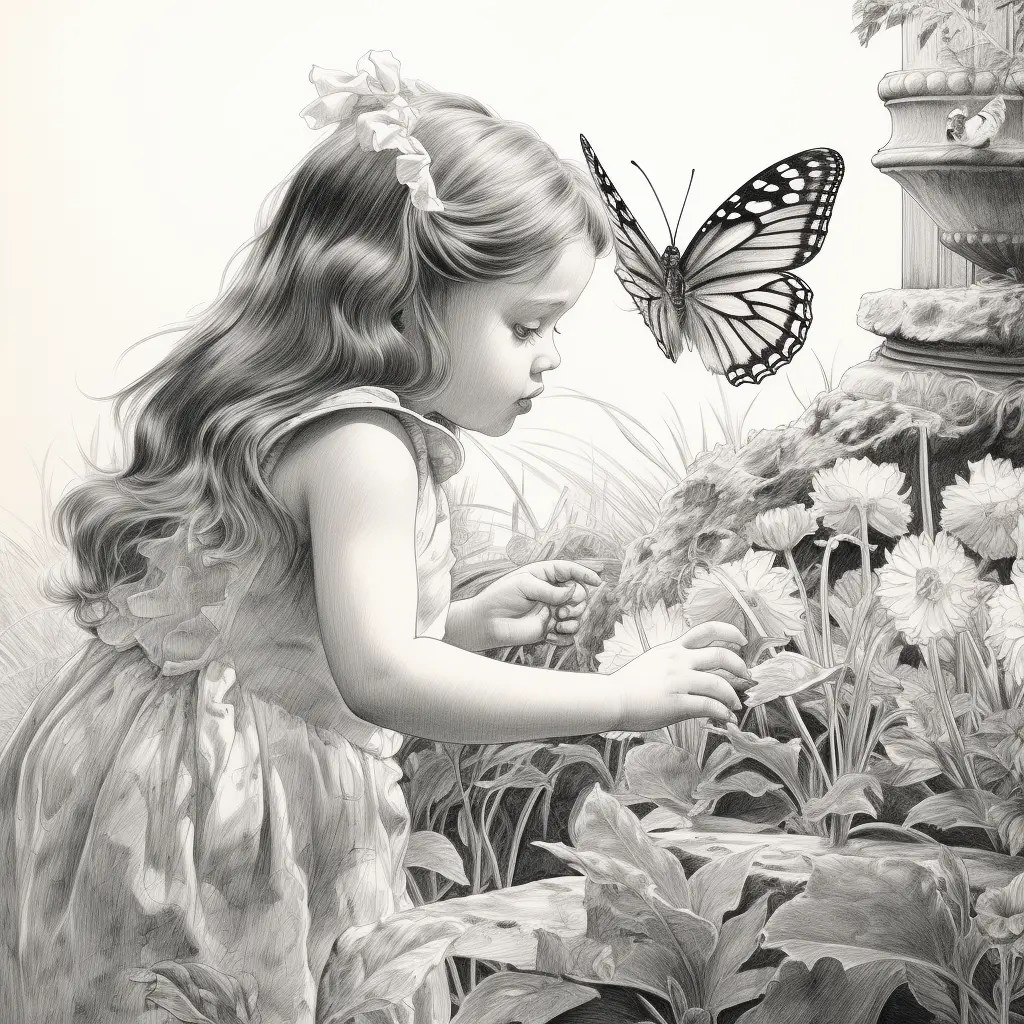
/imagine: a pencil sketch showing a scene where a child is gently touching a butterfly on a flower. The child’s expression of wonder and the delicate details of the butterfly’s wings should be the focal points. The background should be a simple sketch of a garden setting